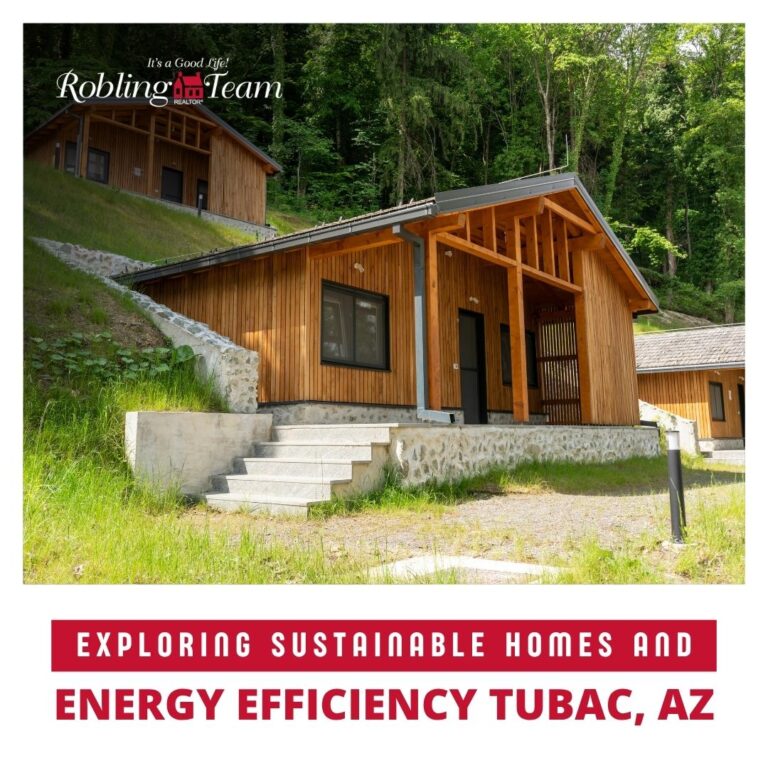
Nestled in the scenic Santa Cruz River Valley, Tubac blends historic charm, vibrant arts and culture, and the natural beauty of Southern Arizona.
For homebuyers, the area also offers growing opportunities to embrace more efficient and environmentally conscious living.
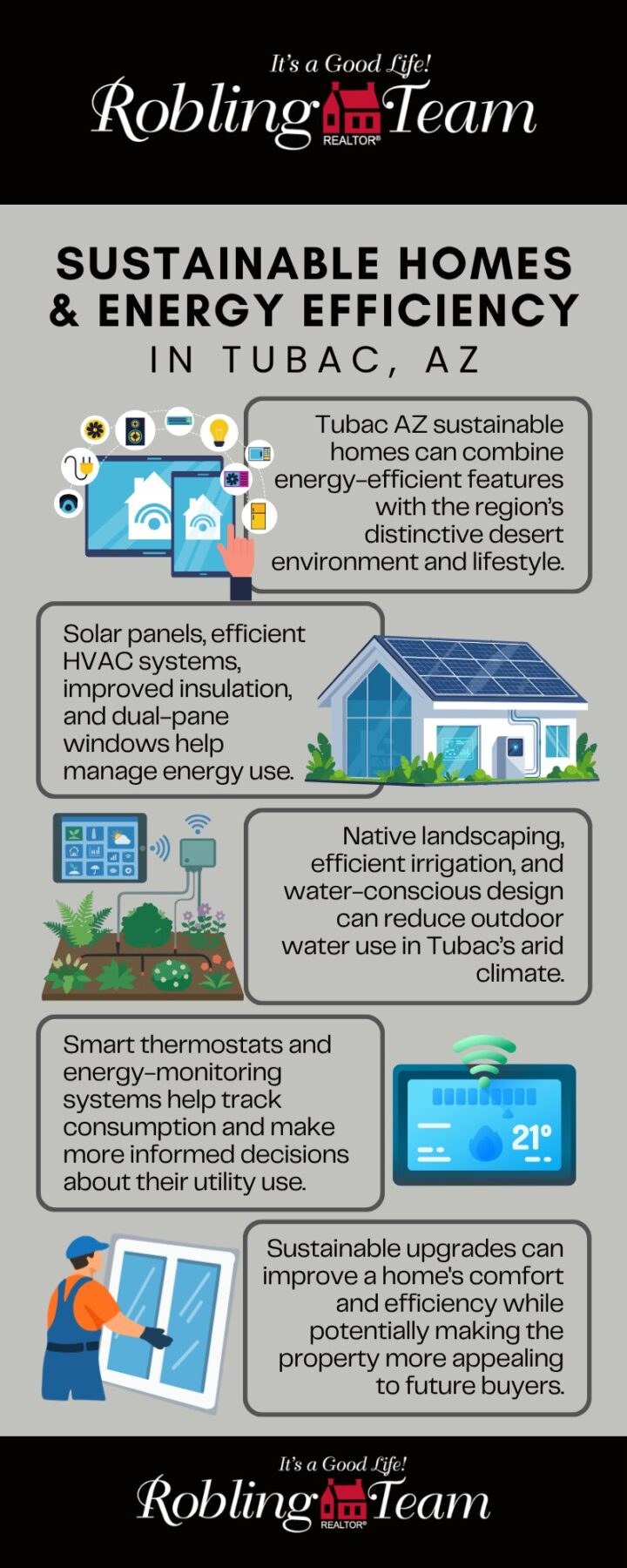
Tubac, AZ, sustainable homes can incorporate features such as solar power, efficient HVAC systems, improved insulation, energy-saving windows, and water-conscious landscaping.
As more buyers consider long-term operating costs alongside location and design, energy efficiency has become an important part of evaluating a home.
Whether you are searching for a property that already includes sustainable features or planning to upgrade an established Tubac residence, understanding the available options can help you make a more informed purchase.
This guide explores practical ways to identify and create a comfortable, efficient, and sustainable home in Tubac.
What to Know About Sustainable Homes in Tubac
Sustainable homes in Tubac maximize energy efficiency and harmonize with the surrounding desert environment. Buyers and homeowners prioritize adding rooftop solar panels, upgrading to high-efficiency HVAC systems, and installing dual-pane windows to significantly lower utility costs while maintaining comfortable, eco-friendly living in Southern Arizona.
Upgrading Tubac, Arizona, Real Estate for Energy Efficiency
Modernizing Existing Properties
When evaluating Tubac, Arizona, real estate, look beyond the kitchen and finishes. Ask how the house actually performs during the hottest months of the year.
Attic insulation is an important starting point. Proper insulation slows heat transfer through the roof assembly, while air sealing helps prevent conditioned air from escaping and hot outdoor air from entering.
Ductwork should also be inspected for leaks, especially when ducts run through unconditioned attic spaces.
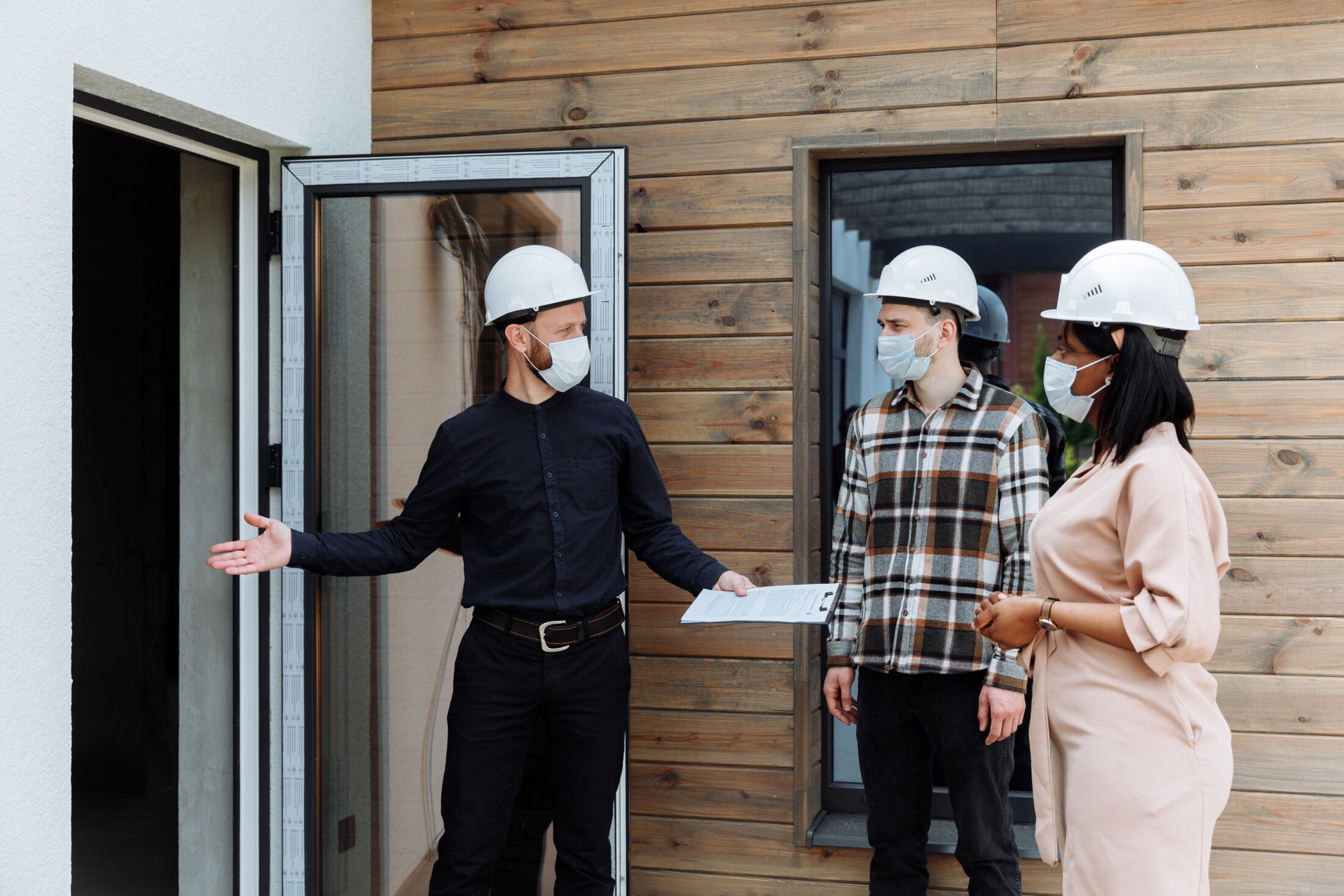
Windows deserve attention as well. Dual-pane insulated windows can provide better thermal performance than older single-pane units, while low-emissivity coatings can help control heat transfer and solar heat gain.
For buyers comparing energy-efficient real estate in Tubac, Arizona, documentation can be especially useful. Ask about the age and efficiency rating of the HVAC system, insulation work, window replacements, solar installation, utility history, and permits for major improvements.
Smart Home Integrations
Smart technology can make efficiency easier to manage. A smart thermostat can automatically adjust temperatures based on schedules and occupancy, while energy-monitoring equipment can provide greater visibility into electricity consumption.

ENERGY STAR reports that certified smart thermostats can reduce heating and cooling energy use by more than 8% on average, although actual savings vary by household, equipment, climate, and behavior.
For buyers interested in eco-friendly homes, Tubac, AZ, offers these systems that can be particularly useful in a second home or property that is frequently unoccupied. Remote temperature monitoring can help homeowners manage the property without leaving cooling equipment running unnecessarily.
Harnessing Solar Power in Southern Arizona
Capitalizing on Desert Sunshine
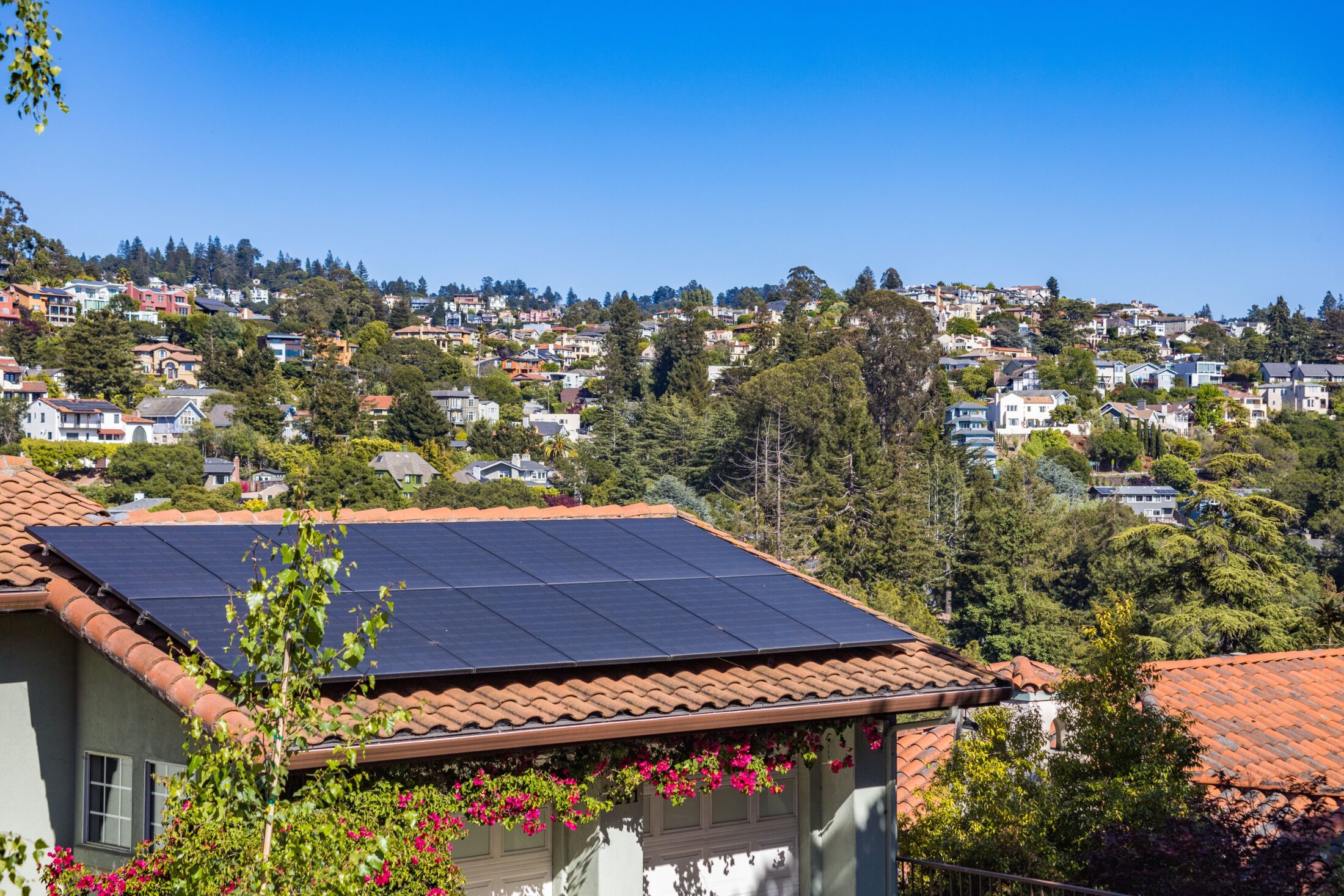
Southern Arizona’s abundant sunlight makes solar power a natural consideration for Tubac homeowners. However, solar should be evaluated as a property-specific investment rather than treated as an automatic financial win.
Before purchasing a home with solar, determine whether the system is owned, financed, or leased. Buyers should also review the system’s age, estimated production, warranty information, inverter condition, maintenance history, and recent electricity bills.
For a home without solar, a qualified installer can assess roof orientation, shading, available roof area, electrical requirements, and expected system production.
Arizona homeowners may also qualify for state or federal incentives depending on the project, ownership structure, installation date, and current tax rules. For example, Arizona provides a residential solar energy device tax credit subject to program requirements.
Battery Storage Solutions
Solar panels and battery storage serve different purposes. Solar generates electricity, while a battery stores electricity for later use.
A properly configured battery system can provide backup power during certain grid outages, but buyers should confirm the system’s capacity and which household circuits are backed up. A battery does not necessarily keep an entire house operating indefinitely.
For homeowners who value resilience, pairing solar with appropriately sized storage can be worth investigating alongside the home’s broader electrical and energy needs.
Embracing Low-Maintenance Desert Landscaping
Designing with Native Flora
Sustainability extends beyond the walls of the house. In a desert environment, landscaping can have a meaningful impact on water consumption and maintenance.
Santa Cruz County’s water-harvesting guidance recommends native and drought-tolerant plants that are suited to local conditions. Tubac homeowners can incorporate plants such as agave, yucca, ocotillo, and other climate-appropriate species alongside gravel, rock, mulch, and efficient irrigation.
The county also recommends approaches such as rainwater harvesting, appropriate plant placement, and soil-moisture or rainfall-sensing irrigation controls.
This is part of the broader conversation around water sustainability in the US. Water-efficient landscaping, rainwater management, and conservation can help homeowners reduce unnecessary outdoor water use while creating landscapes that fit the surrounding environment.
A well-designed water sustainability project does not have to look utilitarian. Native plants, shade trees, stonework, patios, and carefully planned outdoor spaces can create an attractive landscape while reducing irrigation demands.
Seamless Indoor-Outdoor Living
Low-water landscaping also complements the architecture found throughout the region. Covered patios, shaded seating areas, native plantings, and strategically placed trees can create comfortable outdoor spaces without relying on large expanses of thirsty turf.
Santa Cruz County guidance specifically notes that appropriately placed trees can provide shade and help reduce heat exposure around buildings and outdoor areas.
For homeowners considering energy-efficient desert homes, landscaping can therefore contribute to both water conservation and outdoor comfort.
The Financial Benefits of Eco-Friendly Homes in Tubac, AZ Buyers Love
Lowering Monthly Overhead
Energy efficiency can reduce the amount of electricity a household needs for cooling, heating, appliances, and other daily activities. The exact savings depend heavily on the home’s starting condition and the improvements installed.
The U.S. Department of Energy identifies air sealing, insulation, efficient windows, duct sealing, and HVAC improvements among the measures that can reduce energy waste and improve comfort.

For a buyer, that means efficiency should be evaluated as part of the home’s total cost of ownership rather than simply as a collection of attractive features.
Solar can also reduce electricity purchased from the grid, but the financial outcome depends on system cost, financing, utility rates, electricity usage, incentives, and how the system is operated.
Boosting Resale Value
Energy-efficient improvements can make a property more attractive to certain buyers, particularly when they are well documented and professionally installed. However, there is no universal guarantee that a particular green upgrade will produce a specific resale premium or cause a home to sell faster.
The strongest approach is to consider both lifestyle benefits and financial implications. Improvements that lower operating costs, improve comfort, and reduce maintenance may provide value while the homeowner lives in the property, regardless of what happens at resale.
Tubac Sustainable Home Upgrade Comparison Table
| Home Feature | Traditional Setup | Sustainable Desert Upgrade |
|---|---|---|
| Energy Source | Standard utility-grid electricity | Rooftop solar array, potentially paired with battery storage |
| Climate Control | Older, less-efficient HVAC equipment | High-efficiency HVAC system properly sized for the home |
| Temperature Management | Standard manual thermostat | Smart, programmable thermostat |
| Windows | Single-pane or older inefficient glazing | Dual-pane, low-E windows where appropriate |
| Insulation & Air Sealing | Older or inadequate insulation and air leakage | Improved insulation and professionally sealed air leaks |
| Ductwork | Older ducts with potential leakage | Properly sealed and insulated ductwork |
| Landscaping | Water-intensive turf and non-native plants | Native or drought-tolerant landscaping with efficient irrigation |
| Water Management | Conventional irrigation and drainage | Drip irrigation, rainwater harvesting, and water-conscious landscape design |
Create Your Perfect Desert Sanctuary
Living in the Santa Cruz River Valley offers an opportunity to combine distinctive desert living with practical sustainability.
For buyers searching for sustainable homes in Tubac, the most important step is to look beyond a home’s appearance.
Evaluate insulation, windows, HVAC equipment, ductwork, solar systems, water use, landscaping, and previous renovations. These details can have a meaningful effect on comfort and ongoing ownership costs.
Whether you are touring eco-friendly homes in Tubac, AZ, considering an established property that needs improvements, or exploring solar power in Southern Arizona, an experienced local real estate professional can help you identify features worth investigating and questions to ask during due diligence.
Sustainability also extends to water. Local guidance supports drought-tolerant landscaping, water harvesting, and efficient irrigation, making water sustainability programs and conservation practices relevant considerations for homeowners throughout the region.
The goal is not to make every Tubac property look or operate the same. It is to find a home whose design, systems, landscape, and location align with the way you want to live.
If you’re looking for a Tubac property with energy-efficient features—or want to understand which sustainability improvements could make sense for a home you’re considering—local guidance can make the process much easier.
For help evaluating Tubac, AZ sustainable homes, exploring current properties, or discussing your options, contact me today at 520.245.9000 or haley@tubac.com.
Frequently Asked Questions
Common improvements include attic insulation, air sealing, duct sealing, efficient HVAC equipment, dual-pane low-E windows, smart thermostats, solar panels, battery storage, efficient appliances, and drought-tolerant landscaping. The best upgrade depends on the home’s existing condition.
Solar can be an attractive feature, particularly when the system is owned and accompanied by clear documentation. However, the effect on resale value varies by property, system, market conditions, financing arrangement, and buyer demand. There is no guaranteed dollar-for-dollar increase in value.
Availability changes constantly. Current listings can include properties with energy-efficient construction or features, but buyers should verify each home’s specific systems rather than relying solely on listing descriptions. In 2026, energy-efficiency listings are present in Tubac, including homes marketed with energy-efficient construction.
They can combine several strategies: adequate insulation, air sealing, efficient HVAC equipment, well-sealed ductwork, energy-efficient windows, exterior shading, ceiling fans, and smart temperature controls. Good building-envelope performance reduces the amount of heat entering the home.
Native and drought-tolerant plants are well suited to the local environment. Agave, yucca, ocotillo, appropriate native trees, gravel, rock, mulch, and efficient irrigation can all be incorporated into a water-conscious landscape. Plant selection should account for the specific property’s soil, drainage, sun exposure, and microclimate.
They can. ENERGY STAR-certified smart thermostats have demonstrated average heating and cooling energy savings of more than 8%, although individual results vary. Energy-monitoring systems can also help homeowners identify unusually high consumption and adjust usage.
Often, yes. Insulation, air sealing, HVAC improvements, efficient lighting, smart controls, and water-conscious landscaping can often be incorporated into older properties. However, historic homes may have architectural or regulatory considerations that need to be addressed before making exterior changes, replacing windows, or modifying historically significant features.